PHAs are developing innovative strategies to enable more voucher residents to live in high opportunity neighborhoods with access to resources critical to their long-term success. There is considerable research suggesting that HCV program participants, especially those with young children, achieve better outcomes when they are able to use their voucher in a safe neighborhood with access to quality schools. CLPHA, along with the Poverty and Race and Research Action Council (PRRAC) sponsors the biennial National Housing Mobility Conference, which features presenters from the realms of research, policy, and practice to bring attendees up to date on developments in the field and spark discussions that will push the work forward.
Last week, members of the House and Senate were named to an appropriations conference committee on HR 6157, the third package of FY19 appropriations bills. This third “minibus” includes funding for Interior, Environment, and Related Agencies; Financial Services and General Government; Agriculture; Rural Development; Food and Drug Administration, and Related Agencies; and Transportation, Housing and Urban Development, and Related Agencies. The committee conferees will hold their first formal meeting on Thursday, September 13.
Committee staff from the House and Senate majority and minority—the four corners—have been in informal discussions over the summer striving to reconcile the House and Senate versions of the several subcommittee bills included in the minibus. Having the conferees meet signifies real progress has been made towards a final agreement.
Despite six scheduled legislative days remaining before the end of the fiscal year, conference committee action on the third minibus suggests there is a real possibility the FY19 THUD appropriations may be enacted before the end of the fiscal year on September 30. This would enable THUD appropriations to avoid becoming victim to a continuing resolution (CR) for funding. Any CR is expected to last at least until after the November elections for those federal agencies missing the September 30 deadline.
Members of the Conference Committee include:
House of Representatives
|
Majority
|
Minority
|
Senate
|
Majority
|
Minority
|
ACTION:
We strongly encourage CLPHA members to communicate with the Washington, DC offices of the conferees before 1:00 pm tomorrow, September 13, especially CLPHA members whose congressional members are on the conference committee, and urge them to:
- Support the higher Senate funding levels for public housing-related programs,
- Oppose any poison pill provisions, such as the Heller amendment, and
- Support the HCV Mobility Demonstration provision in the House THUD bill.
Experts to Present First National Snapshot of Health Partnerships in Public Housing
Free Webinar Aug. 29, 12 PM ET
WASHINGTON (August 28, 2018) - Half of the nation’s public housing authorities (PHAs) are engaged in a resident health initiative, most with a health organization partner according to Health Starts at Home: A National Snapshot of Public Housing Authorities' Health Partnerships, the latest report released by the Council of Large Public Housing Authorities (CLPHA) and the Public and Affordable Housing Research Corporation (PAHRC). The report provides the first national snapshot of PHA efforts to address residents’ health care needs and emphasizes opportunities for collaboration between the health and housing sectors.
Report authors Steve Lucas, MPH, CLPHA Health Research and Policy Manger for the Housing Is Initiative, Keely Stater, PHD, PAHRC Director of Research and Industry Intelligence, and Kelly McElwain, PAHRC Research Analyst III, will present their analysis during a free webinar on August 29, 2018 at 12:00 PM ET.
“Housing and health systems need to work together,” said Lucas, who designed and implemented the original survey that led to the report. “Public housing authorities are significant providers of housing to those in need, offering the health sector scale and expertise. We found that PHAs across the country are engaged in a wide range of partnerships with different health organizations that address various target populations and health priorities. Though there are barriers to housing-health collaboration, such as funding and staffing capacity, these can be overcome with cross-system partnerships that seek to address these needs.”
Lucas published the initial survey findings in an issue of CityScape, a research publication of the U.S Department of Housing and Urban Development. The article, “Connecting Fragmented Systems: Public Housing Authority Partnerships with the Health Sector,” is posted to the HUD User website.
What: Free Webinar: Building PHA Health Initiatives and Cross-Sector Partnerships
When: Wednesday, August 29, 2018, 12:00 PM ET
WEBINAR RECORDING: https://www.youtube.com/watch?v=E5-jm5eF_YU&t=24s
Webinar Presenters
Steve Lucas, MPH
Health Research and Policy Manager, Housing Is Initiative,
Council of Large Public Housing Authorities
Keely Stater, PhD
Director of Research and Industry Intelligence,
Public and Affordable Housing Research Corporation,
HAI Group's Research Division
Kelly McElwain
Research Analyst III,
Public and Affordable Housing Research Corporation,
HAI Group's Research Division
###
About the Council of Large Public Housing Authorities
The Council of Large Public Housing Authorities is a national non-profit organization that works to preserve and improve public and affordable housing through advocacy, research, policy analysis and public education. CLPHA’s 70 members represent virtually every major metropolitan area in the country. Together they manage 40 percent of the nation’s public housing program; administer 26 percent of the Housing Choice Voucher program; and operate a wide array of other housing programs. Learn more at clpha.org and on Twitter @CLPHA.
About Housing Is
CLPHA’s Housing Is Initiative helps establish, broaden, and deepen efforts to align affordable housing, education, and health systems to produce positive, long-term results. We are building a future where systems work together to improve life outcomes for low-income people. Learn more at HousingIs.org and on Twitter @Housing_Is.
CLPHA’s Membership Spotlight features the outstanding work and achievements of our member public housing authorities - the nation’s largest and most innovative PHAs. Based on interviews with PHA executives, these brief profiles spotlight our members’ initiatives to strengthen their communities and improve life outcomes for their residents. The Membership Spotlight is published in the newsletter, on clpha.org, and on our social media platforms.

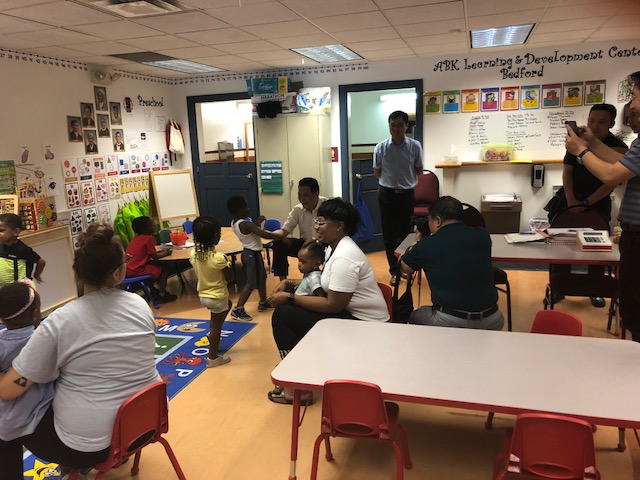
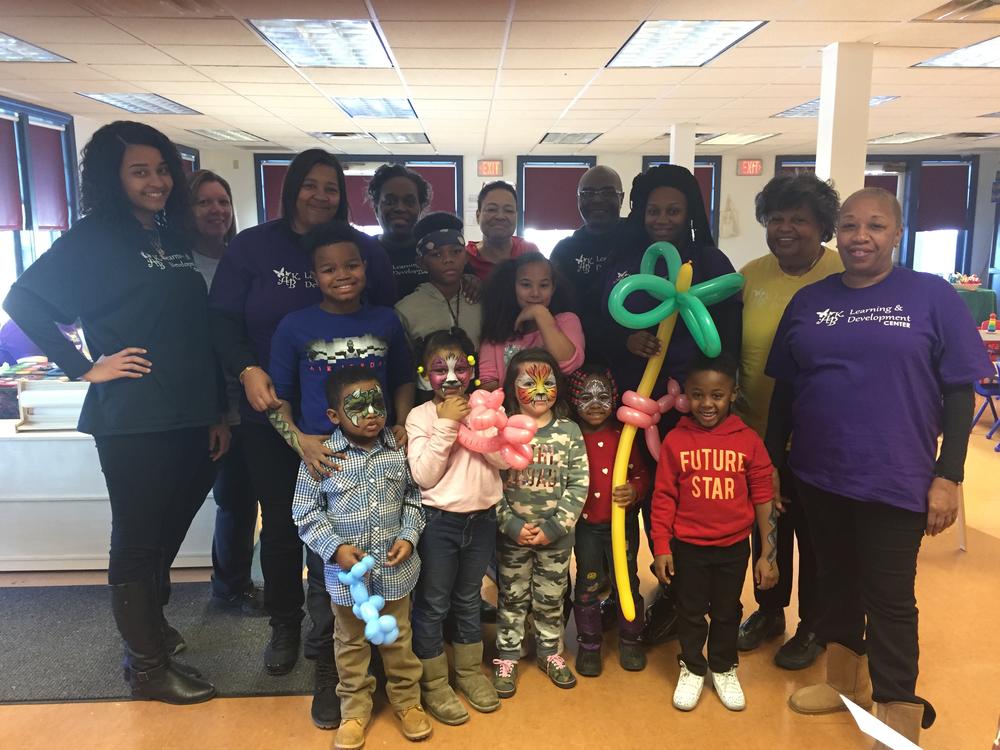
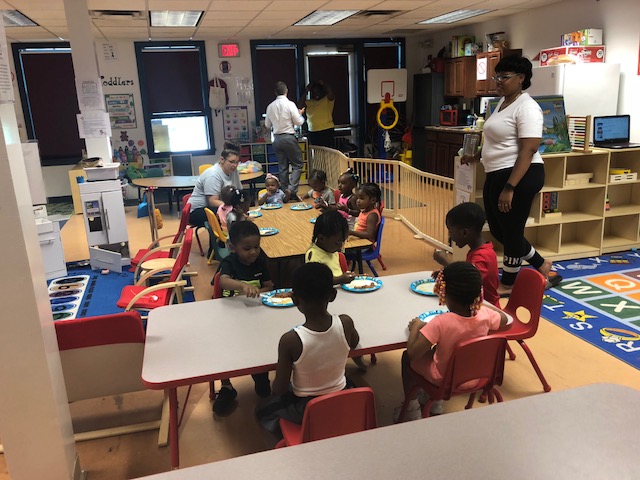
Pittsburgh’s low-income families and public housing residents with nontraditional work schedules have an innovative new childcare option, thanks to the Housing Authority of the City of Pittsburgh (HACP) and its partners. HACP joined with ABK Learning & Development Center and Duquesne University to bring a childcare facility to HACP’s Bedford Dwellings community that not only addresses the complex childcare needs that low-income workers face, but also integrates crucial early childhood learning strategies to prepare their young residents for school.
The Bedford Hope Center’s ABK branch, located in Pittsburgh’s Hill District, opened in February 2018 and cares for children between the ages of zero and five 24 hours a day, seven days a week. ABK’s around-the-clock hours, rare for a childcare center, offer a crucial service to HACP residents and other low-income families who work nighttime and/or weekend jobs. Additionally, tuition at the center is based on income, ensuring that low-income parents can afford this care. HACP residents enrolled in any of the housing authority’s self-sufficiency programs who are job searching or have job interviews can drop in and utilize the center for free.
HACP’s ABK Learning & Development Center blossomed as the result of crucial partnerships formed by Michelle Sandidge, HACP’s communications director. HACP had previously housed a daycare facility at Bedford Hope Center, but when that facility closed three years ago, Sandidge and the housing authority decided to bring a more comprehensive, valuable childcare option to the space. Knowing that the earliest years of a child’s life are vital to their development and future educational success, HACP wanted to offer the community more than just child supervision – they wanted children’s experiences in the center to set them up for success before they began school.
At the same time, Christopher Meidl, Ph.D. of Duquesne’s School of Education’s Early Childhood Education Program was looking for avenues for community outreach and opportunities for his students to gain hands-on experience in the early childhood education field. After connecting with Sandidge, Meidl and Duquesne proved the perfect partners to help craft an early learning curriculum.

However, while Sandidge and Meidl had the location and early childhood education knowledge, they still needed an experienced, dedicated partner to staff and operate the center. When Sandidge met Lesely Crawford, ABK’s owner and director, she knew that that Crawford’s passion for childcare and experience as a Pittsburgh Public School teacher, a Duquesne graduate, and a former resident of the Hill District community made her the perfect partner to bring the center to life.
While Meidl and his students train ABK’s staff in best practices and gain crucial outside-the-classroom experience for their own studies, Crawford and ABK provide the center with full-service childcare, necessary equipment, and early learning programs on important subjects like literacy, math, and social studies through experiential learning activities. In turn, HACP provides ABK with space and facility maintenance while also maintaining involvement in the center’s activities and referring the center to HACP residents participating in self-sufficiency programs.
Just a few months after opening, HACP’s ABK Learning & Development Center is now at full enrollment with 35 students, though Sandidge notes that they are hoping to expand their capacity to serve more children. HACP also plans to set up another ABK branch in one of their other public housing communities on Pittsburgh’s North Side. Sandidge added that this kind of cross-sector work between the housing authority, the university, and the childcare center is integral to HACP’s mission. “Everyone thinks we’re responsible for building houses,” she said, “But we build homes, we build lives, and that’s what really makes a difference.”
CLPHA member housing authorities are dedicated to improving their residents’ lives, and HACP’s childcare partnership with ABK and Duquesne University demonstrates this commitment by offering an innovative solution to a common problem in low-income households that also sets up their youngest residents for future educational success. This multisector collaboration exemplifies the mission of CLPHA’s Housing Is Initiative – to help build a future where systems work together to improve life outcomes. We are proud to have HACP as a member and to champion their efforts to increase positive long-term outcomes for low-income children by seeking out and fostering strong, fruitful partnerships. CLPHA looks forward to hearing about the future of HACP’s comprehensive childcare program and hopes that this center can serve as a model for other housing authorities looking to engage in early childhood learning services.

Many CLPHA member PHAs participate in special purpose voucher programs, such as the Family Unification Program (FUP), the Department of Housing and Urban Development and Veterans Affairs Supportive Housing Program (HUD-VASH), and the Non-Elderly Disabled (NED) program. These programs serve especially vulnerable low-income households who are in need of supportive services to ensure long-term housing stability. CLPHA members have created a variety of innovations to more effectively serve program participants.